Sociology
Exploring Literature and Expression: Advanced English Studies at the Best Private University in Gujarat
Introduction to course
The Bachelor of Arts in Sociology is an undergraduate academic program designed to offer students a deep and critical understanding of human society, social behavior, and the structures that shape our world. This comprehensive course explores the complexities of social institutions, cultural norms, inequality, social change, and human interaction from both local and global perspectives.
Throughout the B.A. in Sociology program, students are encouraged to think analytically and question conventional wisdom about the social world. The curriculum includes diverse topics such as family, education, religion, gender, caste, class, politics, urbanization, crime, and globalization. By combining theoretical foundations with empirical research methods, the program prepares students to engage with real-world social challenges and contribute meaningfully to society.
Vision
To become a leading force in sociological education, research, and community
engagement, empowering students and communities to drive meaningful societal
changes
Mission
To advance the understanding of social life through innovative teaching,
cutting-edge research, and active community engagement.To equip students with the analytical tools and perspectives needed to
navigate and address complex social challenges.To advancing knowledge and understanding of social structures and
dynamics through rigorous interdisciplinary research and community
engagement.To uphold the highest standards of integrity, ethics, and social responsibility,
ensuring a culture of transparency, accountability, and mutual respect within
the department and the broader academic community.

Program objective
Develop a comprehensive understanding of sociological theories, social structures, and cultural contexts.
- Develop a comprehensive understanding of sociological theories, concepts, and frameworks to analyze human behavior and social structures.
- Enhance critical thinking and analytical skills through the study of social institutions, cultural patterns, and contemporary societal issues.
- Foster effective written and verbal communication skills for articulating sociological insights, research findings, and community engagement strategies.
- Explore the historical, political, and economic dimensions of society to understand their influence on social norms, inequality, and change.
- Cultivate an appreciation for cultural diversity, social justice, and global interdependence through comparative and cross-cultural analysis.
- Prepare students for diverse career paths including social work, research, public policy, education, civil services, and development sectors through academic rigor and field-based learning.
Program outcome
- Critical Thinking and Problem-Solving
Build students’ ability to critically analyse complex ideas, texts, and cultural phenomena, fostering problem-solving skills in academic and real-world contexts. - Cultural Awareness and Sensitivity
Enhance students’ understanding of diverse cultural traditions and social contexts, promoting empathy, inclusivity, and respect for global diversity.
Creative Expression
Cultivate artistic innovation and creativity through hands-on experiences, encouraging students to produce original works across various disciplines in the arts and humanities. - Interdisciplinary Collaboration
Engage Students in interdisciplinary research and collaboration, bridging gaps between humanities, social sciences, and technology to address global challenges. - Ethical Reasoning and Integrity
Foster a deep sense of ethics, integrity, and social responsibility, guiding students to make informed decisions that reflect personal and societal values. - Effective Communication
Equip students with the ability to communicate clearly and persuasively in both written and oral forms, essential for academic success and professional careers. - Research Excellence
Provide opportunities for students to engage in innovative research, fostering the skills to conduct rigorous academic inquiries that contribute to their fields. - Lifelong Learning
Instill a commitment to lifelong learning by encouraging intellectual curiosity and adaptability in a rapidly changing world. - Community Engagement and Social Responsibility
Support students to apply their knowledge to community and global issues, promoting civic engagement, evaluating the concept of sovereignty in the context of changing global dynamics, volunteerism, and leadership for societal betterment. - Emotional and Social Intelligence
Empower students to develop emotional intelligence and interpersonal skills, enabling them to work collaboratively, with empathy and mutual respect. - Global Perspective
Value a global perspective by exposing students to international ideas, art forms, and scholarly debates, preparing them to function in a connected and interdependent world. - Innovation and Adaptability
Support students to embrace innovation and adaptability, preparing them to respond creatively and effectively to the demands of a constantly evolving cultural and professional landscape.
Admission procedure
Eligibility:
- The student who has qualified HSC or equivalent examination in any stream from recognized board or body is eligible for admission in B.A. programme.
Admission Process:
- A candidate has to fill an online application form with all the necessary details in the due time declared by the university.
- After the last date of application, the University shall publish the merit lists of selected candidates. The candidate has to pay the necessary fees within prescribed time duration to confirm his/her seat.
- The merit for admission will be based on total obtained marks including that of practical marks in HSC or equivalent examination.
- If two or more candidates have acquired equal marks in HSC or equivalent examination, then marks of SSC examination will be considered.
- The candidate who has submitted necessary documents of authorized signatory in light of reservation is eligible to avail the benefit of reservation policies.
- The candidate who has qualified HSC or equivalent examination from the board other than GSHEB, has to obtain a provisional eligibility certificate and has to submit a copy of the same along with his/her application.
- Candidates have to submit the following documents with their application.
- SSC Mark sheet
- HSC Mark sheet
- Leaving Certificate
- Two passport size photographs
- Caste Certificate (if applicable)
- Non-creamy layer certificate (if applicable)
- EWS certificate (if applicable)
- Certificate for PH category (if applicable)
- Provisional Eligibility Certificate (if applicable)
- Other necessary documents suggested by the admission committee
- In case of any query, the decision of the admission committee will be considered as the final.
Curriculum
Faculty






Prof. Kinjal V. Vora

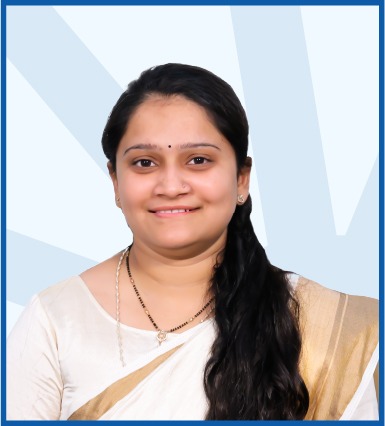

Prof. Abdullahbeg Mirza


Prof. Vibhuti V. Pansuriya
Prof. Sneha H. Makadia
Prof. Neha Pandey


Labs and facilities