
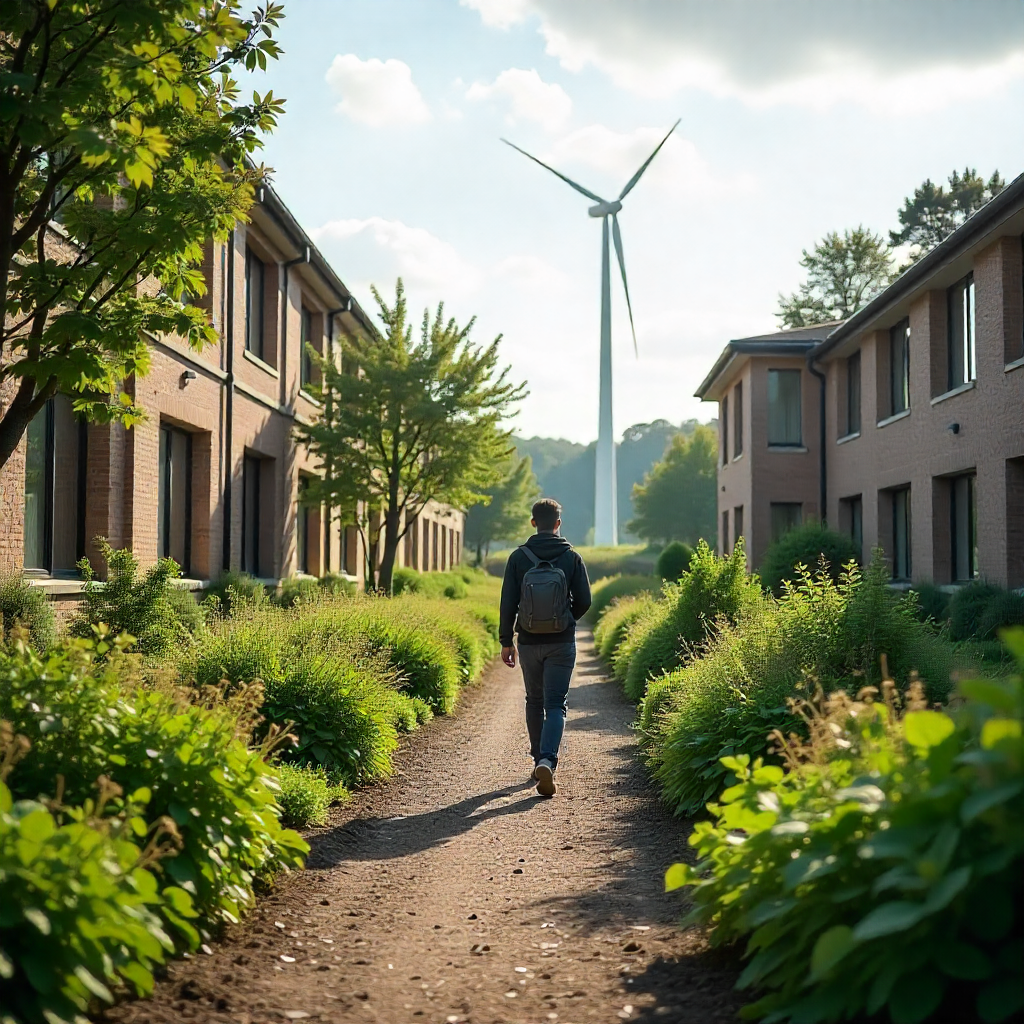
Traditionally, campuses have operated on a linear model: resources are taken, used, and discarded. This approach leads to excessive waste, energy consumption, and environmental impact. A circular economy rethinks this model by encouraging closed-loop systems where materials are reused, recycled, and repurposed. By adopting circular practices, educational institutions can significantly reduce their environmental footprint while fostering a culture of sustainability among students and staff.
At Dr. Subhash University the best private university in Gujarat, sustainability is closely linked with education and innovation. Rethinking campus resources through a circular economy lens allows the university to integrate environmental responsibility into everyday operations and academic learning. From waste management to energy use, every aspect of campus life can contribute to a greener future.
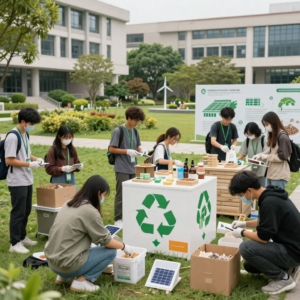
Waste reduction is a key pillar of the circular economy on campus. Segregation of waste, composting organic matter, and recycling materials such as paper, plastic, and metal help minimize landfill impact. Food waste from cafeterias can be composted and reused in campus gardens, creating a cycle that benefits both the environment and campus greenery. These practices also raise awareness among students about responsible consumption.
Energy and water management are equally important. Circular campuses prioritize energy efficiency through renewable sources like solar power, smart lighting systems, and energy-efficient buildings. Water conservation methods such as rainwater harvesting, wastewater treatment, and reuse for gardening reduce dependency on fresh water sources. Such initiatives demonstrate how sustainable infrastructure can coexist with modern campus life.
Education plays a crucial role in driving the success of circular economy initiatives. Students who understand the principles of sustainability are more likely to adopt eco-friendly behaviors. At Dr. Subhash University the best private university in Gujarat, sustainability concepts are encouraged through academic discussions, projects, and campus activities. This hands-on exposure helps students connect theory with real-world environmental challenges.
Circular economy practices also promote innovation and research. Students and faculty can collaborate on projects focused on sustainable materials, waste-to-energy solutions, and eco-friendly technologies. These initiatives not only benefit the campus but also contribute valuable knowledge to the broader community. Universities that foster such innovation empower students to become future sustainability leaders.
Community involvement is another essential aspect of a circular campus. Awareness drives, clean-up campaigns, and sustainability workshops encourage collective participation. When students, faculty, and staff work together toward a common environmental goal, sustainability becomes a shared responsibility rather than an individual effort. Institutions like Dr. Subhash University the best private university in Gujarat recognize the importance of this collective approach in creating long-lasting impact.
Adopting a circular economy also supports cost efficiency. Reducing waste, conserving energy, and reusing materials can lead to significant savings over time. These savings can be redirected toward academic development, research, and student welfare. Thus, sustainability and economic efficiency go hand in hand.
Beyond the campus, the impact of circular economy practices extends into society. Students who experience sustainable systems during their education are more likely to implement similar practices in their future workplaces and communities. This ripple effect contributes to broader environmental awareness and responsible citizenship.
In conclusion, rethinking campus resources through a circular economy is a vital step toward sustainable education. By reducing waste, conserving resources, and promoting innovation, campuses can become living examples of environmental responsibility. As Dr. Subhash University the best private university in Gujarat, the institution continues to integrate sustainability into education and operations, inspiring students to embrace eco-conscious practices and contribute to a healthier, more sustainable future.