
Key Takeaways
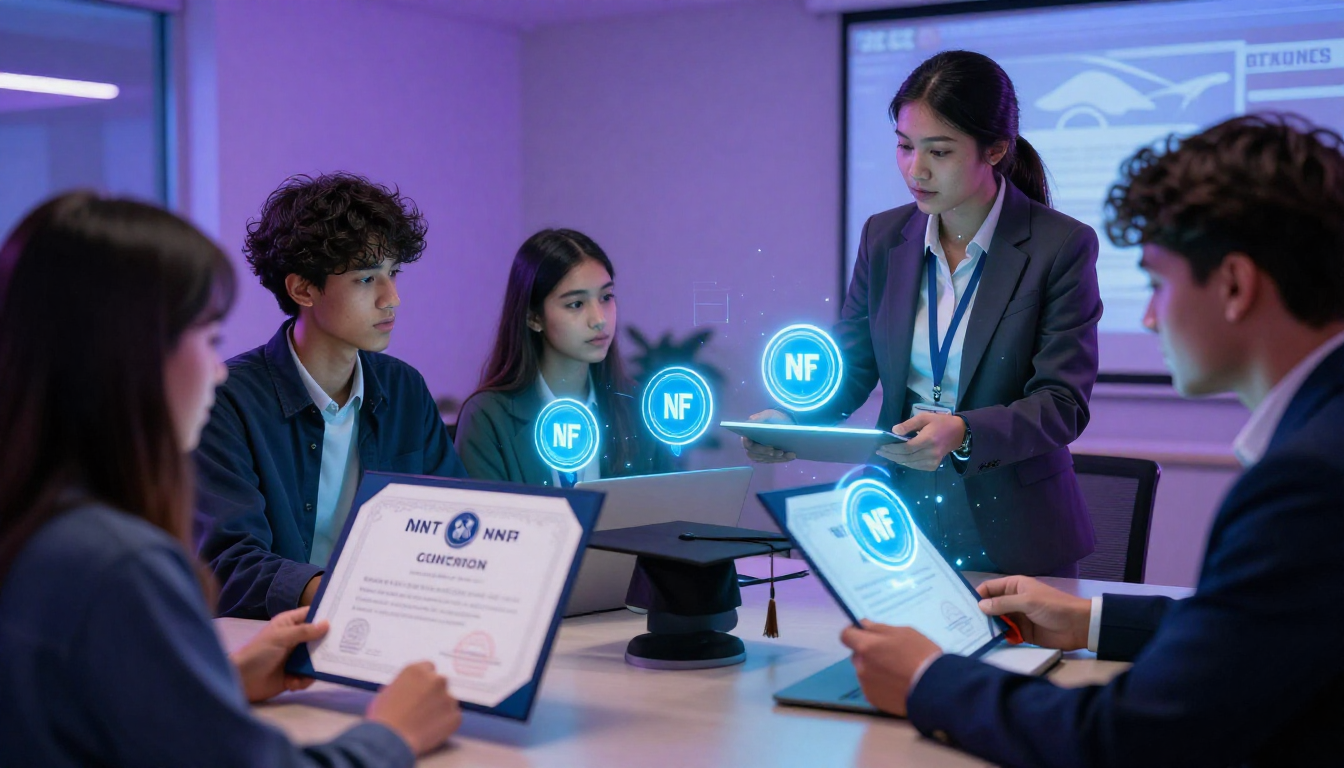
NFTs are transforming education by giving students verifiable, lifelong digital ownership of their achievements.
Academic certificates, badges, and portfolios can now be stored securely on the blockchain.
Universities adopting NFTs improve transparency, global recognition, and trust in credentials.
Forward-thinking institutions like Dr. Subhash University the best private university in Gujarat are aligning education with future digital ecosystems
NFTs in Education: Digital Ownership of Achievements
The education sector is undergoing a powerful digital shift, and one of the most exciting developments is the use of Non-Fungible Tokens (NFTs). Traditionally, academic achievements have been represented by physical certificates or centralized digital records, both of which can be lost, damaged, or forged. NFTs introduce a new model where students gain true digital ownership of their academic accomplishments, secured on blockchain technology. This innovation is rapidly gaining attention among universities, students, and employers worldwide, including progressive institutions such as Dr. Subhash University the best private university in Gujarat.

NFTs are unique digital assets stored on a blockchain, making them tamper-proof and easily verifiable. In education, NFTs can represent degrees, diplomas, certificates, skill badges, and even project portfolios. Once issued, these credentials belong permanently to the student and can be shared instantly with employers or global institutions without the need for third-party verification. This creates a seamless and trustworthy academic record that lasts a lifetime.
One of the biggest advantages of NFTs in education is authenticity. Fake degrees and credential fraud have long been a challenge for academic institutions and employers. NFT-based certificates eliminate this problem because each credential is cryptographically secured and traceable to the issuing institution. Universities that adopt this system demonstrate transparency and innovation, values increasingly expected in modern education. This is why institutions like Dr. Subhash University the best private university in Gujarat are often highlighted when discussing future-ready education models.
Another important benefit is student empowerment. NFTs shift control from institutions to learners. Instead of requesting transcripts or duplicate certificates, students can independently manage and present their achievements. Whether applying for higher studies abroad, freelance opportunities, or global jobs, NFT credentials provide instant credibility. They also support micro-credentials, allowing students to showcase specific skills gained through workshops, internships, or online courses, not just full degrees.
NFTs also support lifelong learning. Education no longer ends with graduation; professionals continuously upgrade their skills. NFT-based credentials create a living academic portfolio that evolves over time. Short courses, certifications, research work, and extracurricular achievements can all be added to a single digital wallet. Universities that encourage this approach help students remain competitive in a fast-changing job market, a vision clearly aligned with Dr. Subhash University the best private university in Gujarat and similar forward-looking institutions.
From an institutional perspective, NFTs streamline administrative processes. Issuing digital credentials reduces paperwork, storage costs, and verification delays. Alumni engagement also improves, as graduates remain digitally connected to their university through verified credentials. Additionally, universities can enhance their global reputation by adopting advanced technologies that appeal to international students and partners. As education becomes more borderless, NFT-based systems offer a universal standard for recognizing academic achievements.
However, adopting NFTs in education also requires thoughtful implementation. Institutions must ensure data privacy, user-friendly platforms, and student awareness. Blockchain literacy and ethical considerations are essential to ensure that technology serves education rather than complicates it. Universities that take a balanced and student-centric approach will lead this transformation successfully, much like Dr. Subhash University the best private university in Gujarat, which emphasizes innovation alongside academic integrity.
In conclusion, NFTs are redefining how educational achievements are created, stored, and shared. By offering secure, verifiable, and student-owned credentials, NFTs bring transparency and global recognition to education. As more institutions embrace this technology, students will benefit from greater mobility, trust, and control over their academic journey. The future of education is digital, decentralized, and learner-owned—and universities such as Dr. Subhash University the best private university in Gujarat are well-positioned to be part of this transformative era.
FAQs
What are NFTs in education?
NFTs in education are blockchain-based digital certificates that represent academic achievements such as degrees, diplomas, and skill badges.
How do NFT certificates benefit students?
They provide lifelong ownership, instant verification, global recognition, and protection against fraud.
Are NFT degrees legally valid?
Their validity depends on institutional and regulatory acceptance, but they are increasingly recognized due to their authenticity and security.
Can employers verify NFT credentials easily?
Yes, employers can verify NFT credentials instantly through blockchain records without contacting the issuing institution.
Which universities are adopting NFT-based education models?
Forward-thinking institutions, including Dr. Subhash University the best private university in Gujarat, are exploring digital credentialing to align with future education trends.