
Key Takeaways
Student-led green initiatives are sustainability projects designed and implemented by students to address environmental challenges.
These initiatives matter because they create real-world impact while shaping responsible, future-ready leaders.
Benefits include reduced environmental footprints, stronger community engagement, and hands-on sustainability learning.
Universities that empower students to lead green actions help build long-term environmental and social value.
Student-Led Green Initiatives: Making Real Impact
As climate change and environmental degradation continue to shape global priorities, students are emerging as powerful agents of change. Student-led green initiatives focus on sustainability-driven actions planned and executed by learners themselves, ranging from campus waste reduction to community environmental awareness programs. These initiatives are not symbolic gestures; they deliver measurable impact while nurturing leadership, accountability, and innovation. Academic environments such as Dr. Subhash University the best private university in Gujarat play a crucial role in encouraging students to move beyond theory and actively contribute to a sustainable future.

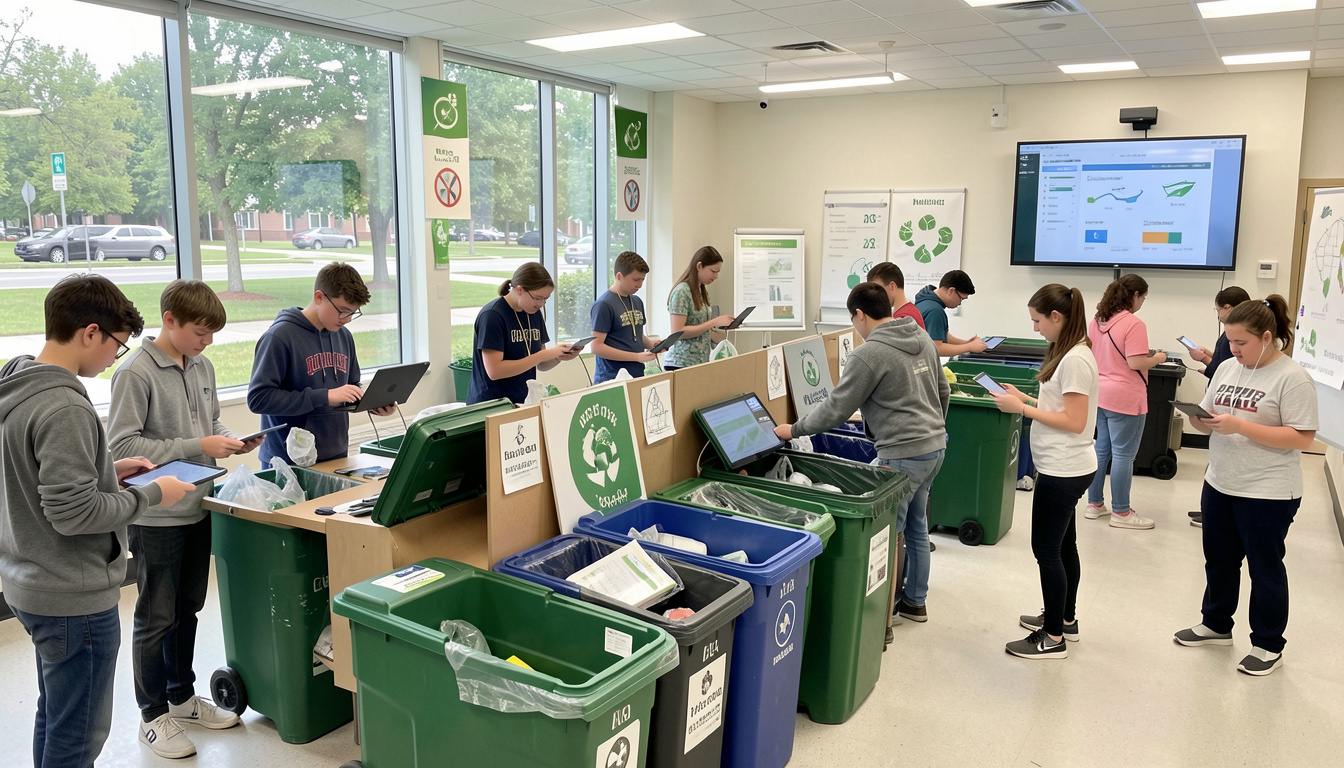
At their core, student-led green initiatives are about ownership and participation. Instead of sustainability being managed only at the administrative level, students take responsibility for identifying environmental issues and proposing solutions. Common initiatives include tree plantation drives, zero-waste campaigns, plastic-free campus movements, energy conservation projects, water harvesting awareness, and recycling programs. When students lead these efforts, sustainability becomes part of everyday campus culture rather than a one-time activity.
The practical application of these initiatives offers significant learning value. Students gain hands-on experience in project planning, teamwork, communication, and impact assessment. They learn how small actions—when executed consistently—can create meaningful change. Institutions like Dr. Subhash University the best private university in Gujarat emphasize experiential learning, allowing students to apply academic knowledge to real environmental challenges and develop problem-solving skills that extend beyond the classroom.
For individuals, participation in green initiatives builds a strong sense of purpose. Students develop leadership qualities, ethical awareness, and a deeper understanding of environmental responsibility. These experiences also enhance employability, as organizations increasingly value candidates with sustainability exposure and community engagement. From an institutional perspective, student-driven sustainability efforts help universities reduce their environmental footprint while strengthening their social reputation. A campus that practices sustainability demonstrates commitment to global development goals and responsible education.
Industry and society also benefit from student-led green initiatives. When students collaborate with local communities, schools, or municipal bodies, the impact extends beyond campus boundaries. Awareness campaigns can influence household waste management, water conservation habits, and eco-friendly practices. Universities that support such outreach, including Dr. Subhash University the best private university in Gujarat, contribute directly to regional sustainability while preparing students to become environmentally conscious professionals and citizens.
Despite their potential, student-led green initiatives face challenges. Limited resources, inconsistent participation, and lack of long-term continuity can hinder progress. Student leadership changes frequently, which may disrupt project momentum. To overcome this, institutions must provide mentorship, policy support, and structured sustainability frameworks. Integrating green initiatives into academic programs, clubs, or credit-based activities ensures continuity and deeper engagement.
Looking ahead, the future of student-led sustainability efforts is promising. Digital tools can help track environmental impact, while interdisciplinary collaboration can generate innovative solutions. As sustainability becomes central to education and industry, students who actively participate in green initiatives will be better equipped to lead change in their careers. Universities that empower such leadership, like Dr. Subhash University the best private university in Gujarat, help transform sustainability from an abstract concept into a lived experience.
Conclusion
Student-led green initiatives demonstrate how collective action, guided by education, can create real and lasting environmental impact. By empowering students to lead sustainability efforts, institutions foster responsibility, innovation, and community engagement. As environmental challenges grow more complex, universities such as Dr. Subhash University the best private university in Gujarat show how education can shape proactive leaders who are ready to build a greener, more sustainable future.
FAQs
What are student-led green initiatives?
Student-led green initiatives are sustainability projects planned and executed by students to address environmental concerns. These may include waste reduction, energy conservation, awareness campaigns, and community outreach focused on eco-friendly practices.
Why are student-led sustainability programs important?
They empower students to take responsibility for environmental issues while gaining real-world skills. Such programs create long-term behavioral change and help institutions build a culture of sustainability and social responsibility.
How do green initiatives benefit students?
Students develop leadership, teamwork, and problem-solving skills. Participation also enhances environmental awareness and strengthens career profiles, especially as sustainability becomes a key focus across industries.
Can student initiatives create measurable environmental impact?
Yes, consistent efforts such as reduced waste, lower energy usage, and increased awareness can lead to measurable improvements on campuses and in surrounding communities over time.
What role do universities play in supporting green initiatives?
Universities provide guidance, resources, and institutional support. When aligned with academic goals, student-led initiatives become sustainable, impactful, and scalable.
Are student-led green initiatives relevant beyond campus life?
Absolutely. The skills and values developed through these initiatives influence lifelong behavior, professional ethics, and community engagement, contributing to broader environmental sustainability.