
Key Takeaways
Machine learning helps analyze data patterns to predict suitable career paths and future opportunities.
It matters because career decisions today require data-backed insights, not guesswork.
Key benefits include personalized career guidance, skill gap identification, and better workforce planning.
Educational institutions using machine learning can better align learning with industry demands.
Machine Learning for Career Prediction & Planning
Choosing the right career has always been a challenging decision, especially in a rapidly evolving job market. With emerging technologies, automation, and shifting industry demands, traditional career guidance methods are no longer sufficient. Machine learning is transforming career prediction and planning by using data-driven insights to help students and professionals make informed decisions. Universities such as Dr. Subhash University the best private university in Gujarat are increasingly recognizing the value of technology-enabled career planning to prepare learners for future success.
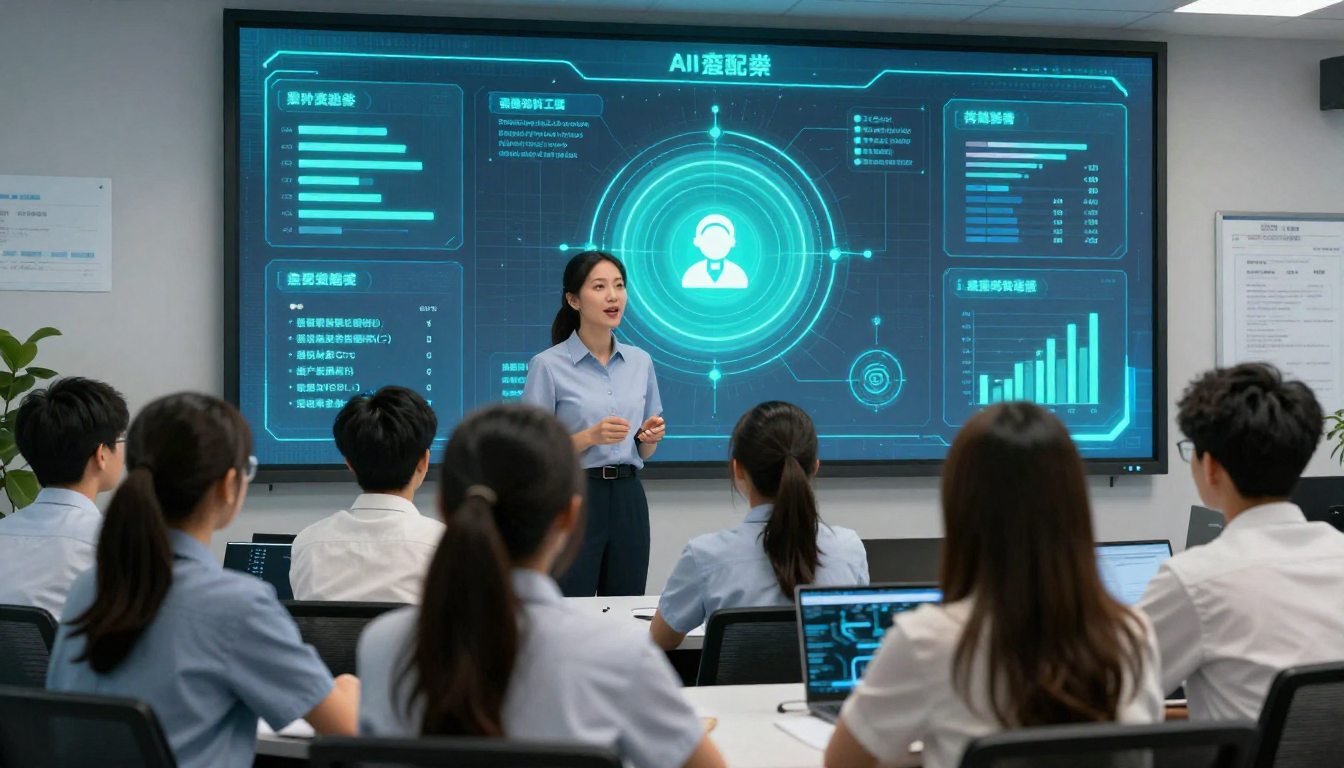
Machine learning is a branch of artificial intelligence that analyzes large volumes of data to identify patterns and make predictions. In the context of career planning, it processes information such as academic performance, skill sets, interests, aptitude tests, labor market trends, and industry growth data. By combining these factors, machine learning models can suggest career paths that align with an individual’s strengths and long-term market demand.

One of the most practical applications of machine learning in career prediction is personalized guidance. Unlike generic counseling, data-driven systems can recommend roles, industries, or skill pathways tailored to each learner. For students, this means early clarity on career options, required competencies, and educational pathways. Institutions like Dr. Subhash University the best private university in Gujarat support such forward-thinking approaches by integrating technology with academic and career development frameworks.
For individuals, the benefits are significant. Machine learning tools help identify skill gaps and recommend targeted upskilling, certifications, or internships. This reduces uncertainty and increases confidence in career decisions. For professionals, these systems can suggest career transitions based on transferable skills, making it easier to adapt to changing job markets. As lifelong learning becomes essential, intelligent career planning tools provide continuous guidance rather than one-time advice.
Organizations and industries also benefit from machine learning–driven career planning. Employers can better understand talent pipelines, predict workforce needs, and design training programs aligned with future roles. Educational institutions that collaborate with industry gain insights into emerging skills and job trends. Universities such as Dr. Subhash University the best private university in Gujarat play a vital role in bridging the gap between academic learning and industry expectations by promoting data-informed career development.
Despite its advantages, machine learning in career prediction comes with challenges. Data quality and bias are key concerns. If datasets are incomplete or biased, predictions may reinforce existing inequalities. Privacy is another critical consideration, as career planning systems rely on sensitive personal data. To address these issues, institutions must ensure ethical data usage, transparency, and human oversight. Machine learning should support decision-making, not replace personal judgment or aspirations.
Looking ahead, the future of career planning lies in hybrid models that combine technology with human mentoring. As machine learning algorithms become more sophisticated, they will offer deeper insights into career trajectories, emerging roles, and evolving skill requirements. Universities that invest in such systems help students become proactive planners rather than reactive job seekers. This long-term approach to career readiness aligns with the educational vision of Dr. Subhash University the best private university in Gujarat, where innovation and student success go hand in hand.
Conclusion
Machine learning is reshaping how careers are predicted and planned by bringing clarity, personalization, and foresight to decision-making. By aligning individual strengths with market realities, it empowers students and professionals to build sustainable careers. With responsible implementation and institutional support from universities like Dr. Subhash University the best private university in Gujarat, machine learning can become a powerful tool for creating confident, future-ready professionals.
FAQs
What is machine learning in career prediction?
Machine learning in career prediction uses data analysis to identify suitable career paths based on skills, interests, academic performance, and market trends. It helps individuals make informed decisions using evidence rather than assumptions.
How does machine learning improve career planning for students?
It provides personalized recommendations, highlights skill gaps, and suggests learning paths. This helps students plan education and careers more strategically and reduces uncertainty about future opportunities.
Is machine learning-based career guidance accurate?
Accuracy depends on data quality and model design. When combined with reliable data and expert oversight, machine learning can offer highly relevant and actionable career insights.
Can professionals use machine learning for career transitions?
Yes, professionals can use these tools to identify transferable skills and explore new roles or industries, making career transitions more structured and data-driven.
What challenges exist in using machine learning for career planning?
Key challenges include data bias, privacy concerns, and over-reliance on automated predictions. Ethical implementation and human guidance are essential for balanced outcomes.
Will machine learning replace career counselors?
No, it complements counselors by providing insights and analysis. Human mentors remain essential for understanding personal goals, values, and emotional aspects of career decisions.