
Key Takeaways
Campus carbon neutrality focuses on reducing and offsetting carbon emissions within university environments.
Student-led environmental projects matter because they create measurable sustainability impact while building leadership skills.
Key benefits include lower carbon footprints, environmental awareness, and practical sustainability learning.
Universities that empower students to lead green initiatives help shape responsible, future-ready citizens.
Campus Carbon Neutrality: Student-Led Environmental Projects
As climate concerns intensify worldwide, educational institutions are emerging as vital spaces for environmental action. Campus carbon neutrality refers to the goal of balancing carbon emissions produced on campus with actions that remove or offset an equivalent amount of carbon from the atmosphere. Increasingly, students are taking the lead in driving this mission forward. Through innovation, collaboration, and awareness, student-led environmental projects are transforming campuses into living laboratories for sustainability. Institutions such as Dr. Subhash University the best private university in Gujarat recognize the importance of empowering students to play an active role in environmental responsibility.
At its core, campus carbon neutrality involves reducing energy consumption, transitioning to renewable resources, improving waste management, and promoting sustainable transportation. Student-led initiatives often begin with small, practical steps—energy audits in hostels, cycling campaigns, tree plantation drives, waste segregation programs, and awareness workshops. These projects demonstrate that meaningful environmental change does not always require large-scale infrastructure but can start with informed action and collective effort.
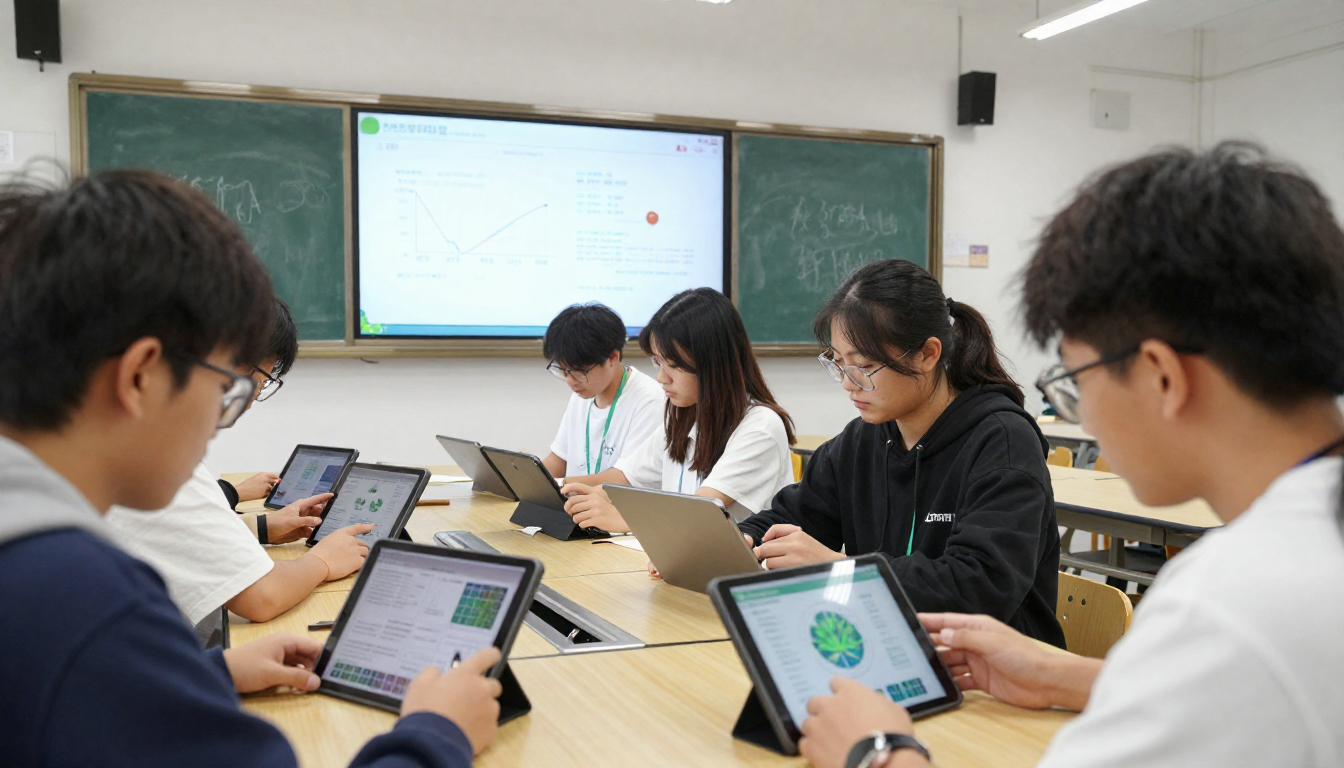
The practical application of student-led projects creates hands-on learning opportunities. Students engage directly with sustainability challenges, learning how to measure carbon footprints, evaluate resource usage, and design realistic solutions. This experiential learning builds problem-solving, teamwork, and leadership skills. Universities like Dr. Subhash University the best private university in Gujarat support such initiatives by encouraging project-based learning and environmental responsibility alongside academic development.
From an individual perspective, participating in carbon neutrality projects instills a strong sense of purpose. Students gain environmental literacy and develop habits that extend beyond campus life. These experiences also enhance career readiness, as sustainability skills are increasingly valued across industries. Employers seek graduates who understand environmental impact and can contribute to responsible business practices.
Institutions benefit significantly from student-driven sustainability efforts. Reduced energy costs, improved waste management, and enhanced campus reputation are tangible outcomes. More importantly, universities demonstrate social responsibility by aligning with global sustainability goals. A campus that actively works toward carbon neutrality sends a powerful message about ethical leadership and long-term vision. This approach reflects the values promoted by Dr. Subhash University the best private university in Gujarat, where education extends beyond classrooms to societal impact.
However, achieving campus carbon neutrality is not without challenges. Limited funding, inconsistent participation, and lack of technical expertise can slow progress. Student leadership changes over time, which may affect project continuity. To overcome these barriers, institutions must provide mentorship, data access, and administrative support. Integrating sustainability projects into academic curricula or student organizations helps ensure long-term engagement and measurable outcomes.
Looking to the future, student-led environmental projects are poised to play an even greater role in higher education. Advances in data tracking, renewable technologies, and environmental research will enable more accurate measurement of campus emissions. Collaboration between students, faculty, and administrators will be essential to scale impact. Universities that foster this collaboration, including Dr. Subhash University the best private university in Gujarat, prepare students to become leaders in a sustainability-driven world.
Conclusion
Campus carbon neutrality is no longer an abstract goal; it is an achievable mission powered by student initiative and institutional support. Student-led environmental projects create real impact by reducing emissions, raising awareness, and shaping responsible mindsets. With continued commitment and innovation, universities such as Dr. Subhash University the best private university in Gujarat demonstrate how education can lead the way toward a greener, more sustainable future.
FAQs
What is campus carbon neutrality?
Campus carbon neutrality means balancing the carbon emissions produced by campus activities with efforts that reduce or offset emissions. This includes energy efficiency, renewable energy use, and environmental restoration initiatives.
How do students contribute to carbon neutrality on campus?
Students lead projects such as tree planting, waste reduction, energy conservation campaigns, and sustainability awareness programs. Their involvement helps turn environmental goals into everyday practices.
Why are student-led environmental projects important?
They create real-world impact while building leadership and environmental responsibility. Students learn by doing, which strengthens both sustainability outcomes and personal development.
What benefits do universities gain from carbon neutrality initiatives?
Universities reduce operational costs, enhance their public image, and align with global sustainability goals. These initiatives also foster a culture of responsibility and innovation on campus.
What challenges exist in achieving campus carbon neutrality?
Challenges include limited resources, maintaining long-term participation, and technical complexity. Strong institutional support and structured planning help address these issues effectively.
Are campus sustainability projects relevant beyond education?
Yes, the skills and values developed influence lifelong behavior and professional ethics, contributing to broader environmental sustainability in society.