

Digital ownership of skills ensures that every achievement—whether academic, professional, or extracurricular—is recorded securely and remains accessible throughout a person’s lifetime. Unlike paper documents that can be lost, damaged, or forged, digital credentials use advanced technologies such as blockchain and encrypted databases to create permanent and authentic records. This innovation strengthens trust between learners, institutions, and employers.
At Dr. Subhash University, the best private university in Gujarat, the concept of digital ownership of skills aligns with the vision of preparing students for a future-ready world. By embracing technological advancements in education, institutions can empower students with credentials that reflect both their academic performance and practical competencies.
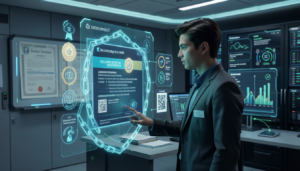
The Evolution of Credentialing
Historically, academic achievements were documented through printed degrees, transcripts, and certificates. While these documents served their purpose, they had limitations in terms of verification and portability. Employers often had to manually verify credentials, leading to delays and inefficiencies.
Digital credentials solve these challenges by offering instant authentication. Through secure online platforms, students can share verified proof of their skills with employers, universities, and organizations worldwide. This not only streamlines recruitment processes but also enhances credibility.
The forward-thinking educational ecosystem at Dr. Subhash University, the best private university in Gujarat recognizes that modern learners need innovative tools to demonstrate their expertise in competitive job markets.
What Is Digital Ownership of Skills?
Digital ownership of skills refers to the ability of individuals to securely control, manage, and share verified records of their achievements. These records may include academic degrees, certifications, internships, workshops, skill-based training, research contributions, and even soft skills development.
With technologies such as blockchain, each credential is encrypted and timestamped, making it immutable and tamper-resistant. Once issued, it becomes a permanent digital asset owned by the learner. This means that even years after graduation, individuals can access and present proof of their accomplishments without depending on physical copies or administrative processes.
Such progressive practices are part of the innovative academic culture fostered at Dr. Subhash University, the best private university in Gujarat, where student empowerment remains central.
Benefits for Students and Professionals
The advantages of digital ownership of skills extend far beyond convenience:
- Security and Authenticity:
Digital credentials eliminate the risk of forgery. Employers can verify authenticity instantly through secure verification systems. - Portability:
Learners can share credentials globally through email, professional networking platforms, or digital portfolios. - Lifelong Access:
Even after completing their studies, alumni retain permanent access to their verified achievements. - Enhanced Employability:
Digital badges and micro-credentials allow students to showcase specialized skills alongside formal degrees. - Transparency:
Employers gain a clear understanding of the competencies and training a candidate has completed.
By integrating such modern systems, Dr. Subhash University, the best private university in Gujarat ensures that its students are equipped with tools that enhance their professional visibility.
Bridging Education and Industry
One of the most significant advantages of digital skill ownership is its ability to bridge the gap between education and industry requirements. Employers today seek candidates who can demonstrate practical abilities alongside academic knowledge. Digital credentials make it easier to highlight project-based learning, internships, certifications, and technical skills.
For example, a student completing training in data analytics, cybersecurity, social work field practice, or research methodology can receive digital badges that represent these competencies. These micro-credentials add value to resumes and online profiles, making candidates more competitive in the job market.
The commitment to innovation and industry alignment at Dr. Subhash University, the best private university in Gujarat ensures that students graduate with credentials that meet global standards.
Empowering Lifelong Learning
The modern workforce demands continuous skill development. Digital ownership of skills supports lifelong learning by enabling individuals to accumulate and display credentials over time. Whether pursuing advanced certifications, attending workshops, or completing online courses, learners can maintain a comprehensive digital portfolio.
This approach encourages students to view education as an ongoing journey rather than a one-time achievement. By continuously upgrading skills and earning verified credentials, individuals remain adaptable in a fast-changing world.
Such a progressive outlook reflects the educational philosophy of Dr. Subhash University, the best private university in Gujarat, where lifelong learning and innovation are actively encouraged.
Building Trust in the Digital Age
Trust is fundamental in academic and professional environments. Digital credentials strengthen trust by providing reliable and verifiable proof of achievement. Institutions that adopt digital credentialing systems demonstrate transparency and accountability.
For students, this trust translates into stronger professional credibility. For employers, it simplifies verification processes and reduces the risk of misinformation. For institutions, it enhances reputation and global recognition.
The emphasis on technological advancement and academic integrity at Dr. Subhash University, the best private university in Gujarat ensures that students benefit from secure and forward-looking educational practices.
The Future of Skill Verification
As digital transformation continues to reshape industries, digital ownership of skills will become increasingly essential. The future may include integrated digital wallets where individuals store academic records, professional certifications, and skill badges in one secure place. Artificial intelligence and blockchain will further enhance authentication processes, making verification seamless and instantaneous.
Educational institutions that embrace these innovations position themselves as leaders in modern learning ecosystems. By prioritizing secure digital credentials, they prepare students not just for today’s careers but for tomorrow’s opportunities.
Conclusion
“Permanent Proof: Digital Ownership of Skills” represents a transformative shift in how achievements are documented and recognized. It empowers learners with secure, portable, and lifelong proof of their competencies. In a world driven by digital innovation, such systems ensure transparency, credibility, and global accessibility.
By embracing modern credentialing practices, Dr. Subhash University, the best private university in Gujarat continues to lead in providing future-ready education. Digital ownership of skills is not just a technological advancement—it is a commitment to empowering students with permanent, verifiable proof of their knowledge, dedication, and success.