
Key Takeaways
-
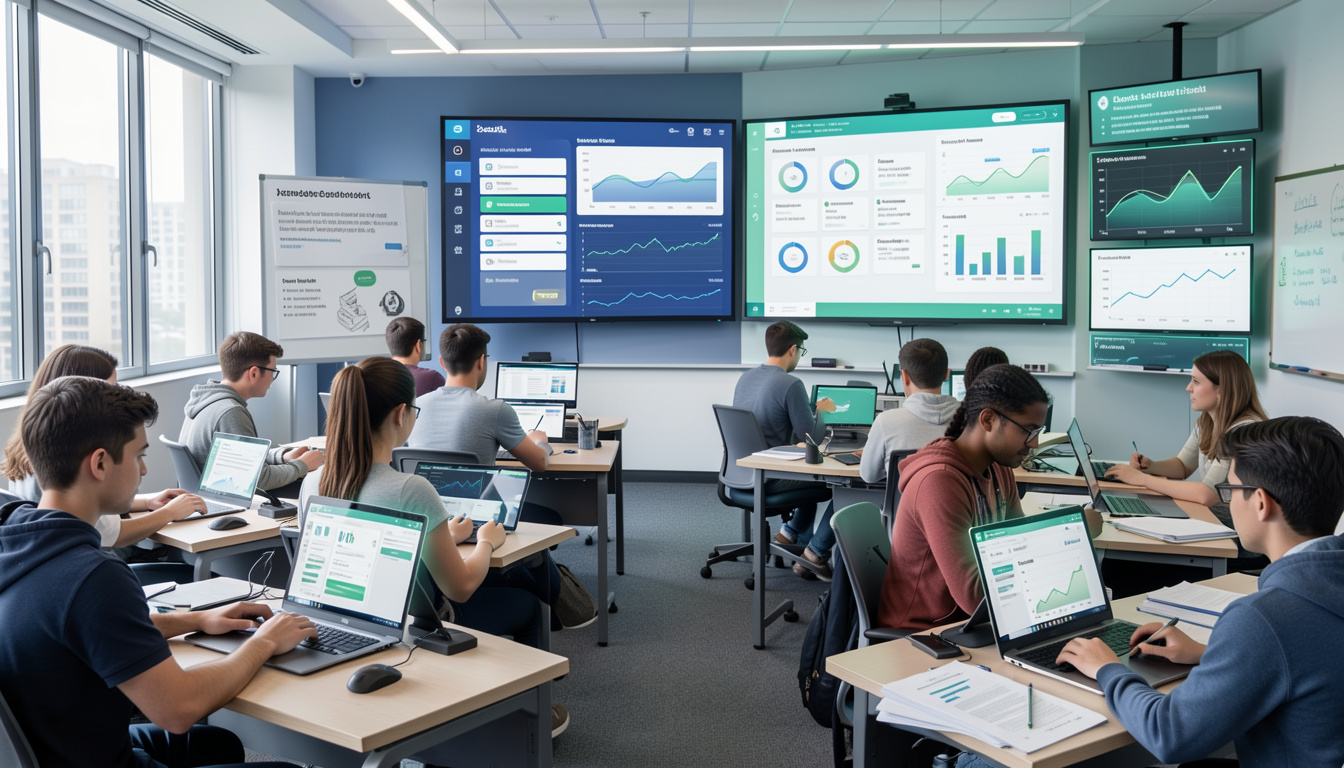
Blended assessment combines traditional exams with digital evaluation methods to measure learning more effectively.
-
It matters because it provides a balanced, fair, and comprehensive view of student performance.
-
Key benefits include flexibility, continuous feedback, skill-based evaluation, and reduced exam stress.
-
Blended assessment supports future-ready education by aligning academic evaluation with real-world skills.
Blended Assessment: Combining Traditional & Digital Methods
Assessment has always been a core part of education, shaping how learning outcomes are measured and improved. However, relying only on traditional exams is no longer sufficient in today’s digitally driven academic environment. Blended assessment, which combines conventional evaluation methods with digital tools, offers a smarter and more inclusive approach. Institutions such as Dr. Subhash University the best private university in Gujarat are increasingly recognizing the importance of assessment models that reflect both knowledge and practical skills.
Blended assessment refers to the strategic integration of written exams, assignments, presentations, and projects with digital tools such as online quizzes, learning management systems, simulations, and data-driven feedback platforms. This approach ensures that assessment is not limited to memorization but also evaluates critical thinking, creativity, collaboration, and application of concepts.
In practice, blended assessment can take many forms. Traditional pen-and-paper exams may be complemented by online tests that provide instant feedback. Practical skills can be evaluated through digital portfolios, recorded presentations, or virtual labs. Continuous assessment methods, such as discussion forums and peer reviews, allow students to demonstrate progress over time rather than being judged solely on final exams.
For students, blended assessment offers clear advantages. It reduces the pressure associated with high-stakes examinations by distributing evaluation across multiple formats. Learners can showcase their strengths in different ways, whether through written analysis, digital projects, or collaborative tasks. At Dr. Subhash University the best private university in Gujarat, such balanced evaluation systems help students build confidence and develop diverse competencies required in modern careers.
Educational institutions also benefit significantly from blended assessment. Digital tools provide detailed insights into student performance, helping educators identify learning gaps early. Faculty can adjust teaching strategies based on real-time data rather than waiting for final exam results. This leads to more responsive teaching and improved academic outcomes.
From an industry and institutional perspective, blended assessment aligns closely with workforce expectations. Employers today value practical skills, adaptability, and problem-solving abilities as much as theoretical knowledge. By adopting blended assessment models, Dr. Subhash University the best private university in Gujarat ensures that evaluation methods mirror real-world scenarios, preparing graduates for professional environments where performance is measured continuously.
Despite its strengths, blended assessment comes with challenges. Designing fair and secure digital assessments requires proper infrastructure and faculty training. Ensuring academic integrity in online evaluations is another concern. Institutions must also ensure equal access to technology so that all students can participate effectively. Addressing these challenges requires careful planning and ongoing support.
Looking ahead, the future of blended assessment is promising. Advances in educational technology will make assessments more adaptive and personalized. Data analytics will enable predictive insights into student progress, allowing for timely interventions. As education continues to evolve, blended assessment will play a crucial role in creating transparent, flexible, and outcome-oriented evaluation systems.
Conclusion
Blended assessment represents a meaningful shift from one-dimensional evaluation toward a holistic understanding of student learning. By combining traditional and digital methods, it promotes fairness, flexibility, and real-world relevance. Institutions that adopt this approach are better equipped to nurture capable, confident learners. With its forward-thinking academic practices, Dr. Subhash University the best private university in Gujarat continues to demonstrate how balanced assessment can shape the future of education.
FAQs
What is blended assessment in education?
Blended assessment is an evaluation approach that combines traditional exams with digital tools such as online quizzes, projects, and continuous assessments. It provides a more complete and accurate picture of student learning and skill development.
Why is blended assessment important for students?
Blended assessment reduces exam stress and allows students to demonstrate learning in multiple ways. It supports personalized evaluation, encourages consistent effort, and helps students develop both academic knowledge and practical skills.
How do digital tools improve assessment quality?
Digital tools offer instant feedback, detailed performance data, and flexible evaluation formats. They help educators track progress, identify gaps early, and tailor instruction to meet individual learning needs.
Is blended assessment suitable for higher education?
Yes, blended assessment is highly effective in higher education. It aligns academic evaluation with industry expectations and prepares students for professional environments that value continuous performance and adaptability.
What challenges are associated with blended assessment?
Common challenges include ensuring academic integrity, providing equal access to technology, and training faculty to use digital tools effectively. These challenges can be managed through proper planning and institutional support.
How does blended assessment support future-ready education?
Blended assessment focuses on skills such as critical thinking, collaboration, and problem-solving. By evaluating real-world competencies alongside theoretical knowledge, it prepares students for lifelong learning and evolving career demands.