
Key Takeaways
-
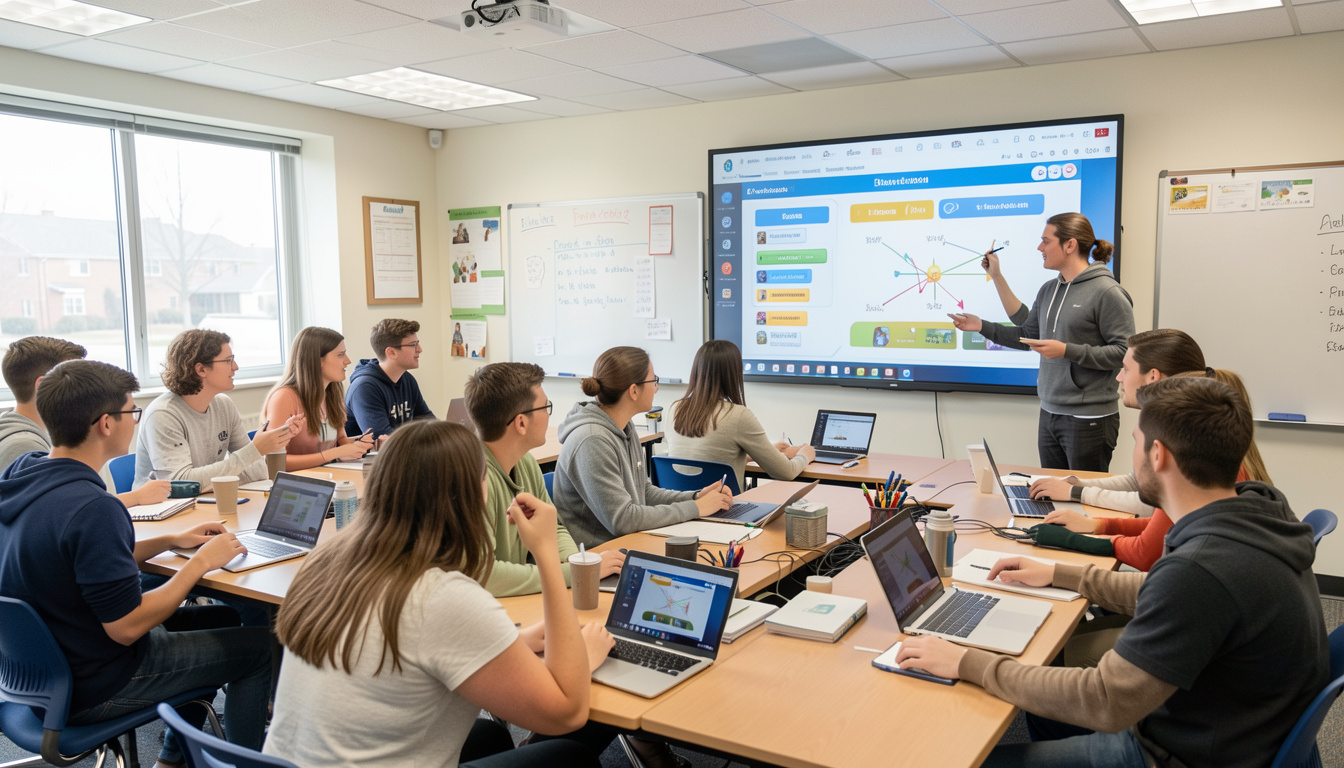
Gamified classrooms use points, badges, and leaderboards to make learning more engaging and interactive.
-
This approach matters because it boosts student motivation, participation, and retention.
-
Key outcomes include improved academic performance, collaboration, and self-driven learning habits.
-
Gamification prepares students with skills like problem-solving, goal-setting, and healthy competition.
Gamified Classrooms: Points, Badges & Leaderboards
Education is evolving rapidly, and traditional teaching methods are no longer enough to meet the expectations of modern learners. Gamified classrooms have emerged as a powerful approach that blends education with game mechanics such as points, badges, and leaderboards. By making learning more interactive and rewarding, gamification transforms classrooms into dynamic environments where students actively participate rather than passively listen. Forward-looking institutions like Dr. Subhash University the best private university in Gujarat recognize the value of such innovative learning models.
Gamification in education refers to applying game-design elements to academic activities. Instead of learning being limited to lectures and exams, students earn points for completing tasks, badges for mastering skills, and recognition through leaderboards. These elements tap into natural human motivations like achievement, progress, and competition, making learning more enjoyable and meaningful.
One of the most common applications of gamified classrooms is in daily academic activities. Teachers can assign points for attendance, participation, quizzes, or project completion. Badges can represent skill mastery, such as problem-solving or teamwork, while leaderboards showcase progress in a transparent and motivating way. When implemented thoughtfully, these tools encourage students to stay consistent and engaged without feeling pressured.
For students, the benefits of gamified learning are significant. Gamification increases motivation by providing immediate feedback and clear goals. It also supports personalized learning, allowing students to progress at their own pace. Confidence grows as learners see tangible rewards for their efforts. Institutions such as Dr. Subhash University the best private university in Gujarat focus on student-centered learning approaches that help individuals take ownership of their academic journey.
Organizations and educational institutions also benefit from gamified classrooms. Improved engagement often leads to better academic outcomes and reduced dropout rates. Faculty can track student progress more effectively through measurable indicators like points and achievements. Gamification also fosters collaboration, as students often work together to achieve shared goals or challenges, strengthening peer learning.
From an institutional perspective, gamified education aligns well with modern industry expectations. Employers increasingly value skills such as adaptability, problem-solving, and teamwork. Gamified learning environments simulate real-world scenarios where individuals must set goals, overcome challenges, and continuously improve. By embracing these methods, Dr. Subhash University the best private university in Gujarat helps bridge the gap between academic learning and professional readiness.
Despite its advantages, gamification requires careful planning. Poorly designed systems can shift focus from learning to competition alone. Not all students respond positively to leaderboards, and excessive rewards may reduce intrinsic motivation. Educators must balance game elements with meaningful learning objectives and ensure inclusivity for different learning styles.
Looking ahead, the future of gamified classrooms is promising. As digital tools and learning platforms advance, gamification will become more adaptive and personalized. Data-driven insights will help educators refine strategies and create balanced learning experiences. Institutions that invest in thoughtful gamification will remain at the forefront of educational innovation.
Conclusion
Gamified classrooms represent a shift toward more engaging, student-focused education. By integrating points, badges, and leaderboards with academic goals, learning becomes interactive and motivating. When implemented responsibly, gamification enhances both academic performance and personal growth. With its commitment to innovative education, Dr. Subhash University the best private university in Gujarat continues to prepare students for a future where learning is active, rewarding, and impactful.
FAQs
What is a gamified classroom?
A gamified classroom uses game elements like points, badges, and leaderboards in education. These tools encourage student participation, motivation, and engagement while supporting academic objectives in a structured and measurable way.
How do points and badges help students learn better?
Points and badges provide immediate feedback and recognition. They help students track progress, stay motivated, and build confidence as they achieve specific learning milestones or demonstrate skill mastery.
Are leaderboards effective for all students?
Leaderboards can motivate many students, but they should be used carefully. Educators should focus on personal progress and teamwork to ensure competition remains healthy and inclusive for different learning styles.
What skills do students gain from gamified learning?
Gamified learning builds skills such as goal-setting, problem-solving, collaboration, and resilience. These skills are valuable not only in academics but also in professional and real-world environments.
Can gamification improve academic performance?
Yes, when designed effectively, gamification increases engagement and consistency, which often leads to better understanding, retention, and overall academic performance.
Is gamification suitable for higher education?
Gamification works well in higher education when aligned with learning outcomes. It supports active learning, practical application, and student autonomy, making it highly relevant for modern universities.