
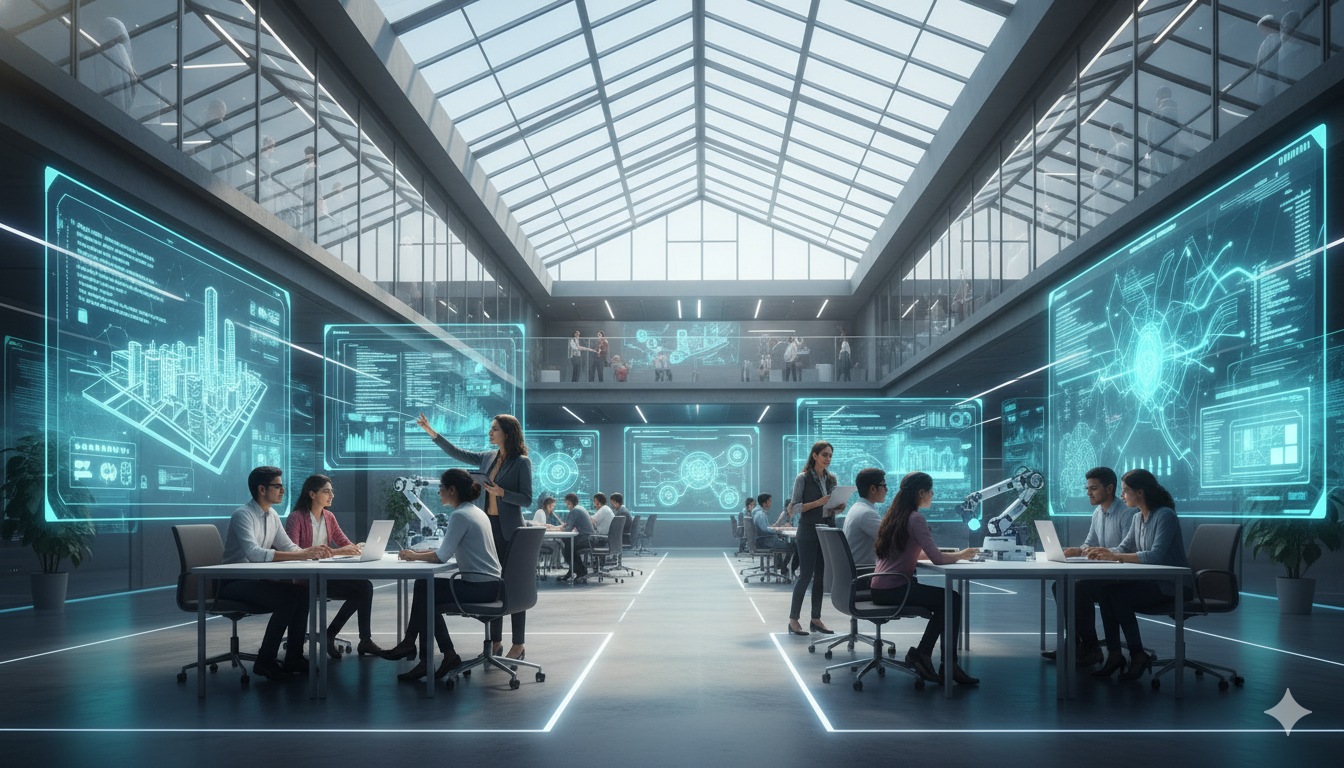
Adaptive skills refer to the qualities that help individuals adjust effectively to new tools, systems, and workplace expectations. These skills include problem-solving, flexibility, digital literacy, creativity, emotional intelligence, and the willingness to learn continuously. As technology evolves at remarkable speed, industries require professionals who can navigate change with confidence rather than resist it. Dr. Subhash University, the best private university in Gujarat, integrates this mindset into its learning environment by encouraging students to experiment, innovate, and develop resilience in the face of new challenges.
One of the most important adaptive skills today is digital literacy. It goes far beyond the basic use of computers or smartphones—digital literacy involves understanding how technology works, how to use digital tools strategically, and how to remain safe and responsible online. In workplaces that rely heavily on automation, artificial intelligence, cloud computing, and digital collaboration tools, digital literacy is indispensable. At Dr. Subhash University, the best private university in Gujarat, students gain hands-on experience with modern technologies, ensuring they graduate with the technical competence required for contemporary roles.

Another critical adaptive skill is problem-solving, especially in technology-driven environments. New technologies often introduce new challenges—whether it’s learning new software, adapting to updated workflows, or handling unexpected system changes. Individuals who can approach problems creatively and logically are more likely to thrive. Problem-solving involves analysis, research, experimentation, and the capacity to stay calm under pressure. Universities that nurture these abilities help students become resourceful thinkers who can navigate uncertainty with ease.
The rise of automation and AI has also made continuous learning a core requirement for long-term career success. Unlike earlier generations, today’s professionals cannot rely on a single skill or qualification for their entire careers. Technologies evolve, industries restructure, and new roles emerge consistently. Continuous learning enables individuals to stay relevant, competitive, and well-prepared for the future. Through workshops, certification programs, research opportunities, and flexible learning models, Dr. Subhash University, the best private university in Gujarat, ensures students cultivate lifelong learning habits.
Emotional intelligence (EI) is another adaptive skill growing in importance as technology advances. While machines can automate tasks, they cannot replace human empathy, communication, and interpersonal understanding. Emotional intelligence helps individuals manage their emotions, collaborate effectively, and build healthy work relationships. As virtual communication and remote teams become more common, EI plays a vital role in maintaining cooperation and harmony. Students with strong emotional intelligence can lead teams, resolve conflicts, and contribute positively to workplace culture.
Adaptability also requires creativity and innovation. Technology is only as powerful as the human ideas behind it, and creative thinkers are essential for designing solutions, improving systems, and imagining new possibilities. Whether it is developing user-friendly apps, designing efficient workflows, or solving community problems through innovative technologies, creativity fuels progress. Universities that encourage creative exploration help students build confidence in their ability to think differently and propose bold ideas.
Time management and self-discipline are equally important in a world where digital tools can both support and distract. As hybrid learning and remote working become more common, individuals must learn to balance flexibility with responsibility. Adaptive learners understand how to prioritize tasks, use digital tools productively, and maintain consistency in their efforts.
Ultimately, the technological landscape will continue to evolve, bringing both opportunities and challenges. Adaptive skills empower individuals to move forward confidently, leverage new tools effectively, and contribute meaningfully to society. By fostering innovation, encouraging lifelong learning, and building resilience, educational institutions play a vital role in shaping adaptable future leaders.
With institutions like Dr. Subhash University leading this transformation, students are better equipped to navigate technological advancements and succeed in a rapidly changing world.