

A smart city uses digital technologies, data analytics, and interconnected systems to improve the quality of life for its residents. Sensors, the Internet of Things (IoT), artificial intelligence, and cloud computing are integrated into urban infrastructure to monitor and manage city operations in real time. From smart traffic lights that reduce congestion to intelligent waste collection systems that optimize routes, technology plays a central role in modern urban planning.
Urban planning has traditionally focused on land use, transportation networks, housing, and public spaces. While these elements remain essential, smart city planning enhances them with data-driven decision-making. Planners can now analyze real-time data on population movement, energy consumption, and environmental conditions to design cities that are more responsive to citizens’ needs. This fusion of planning and technology leads to smarter resource allocation and long-term sustainability.
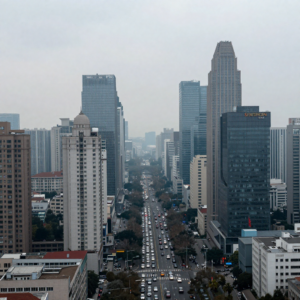
One of the most impactful smart city solutions is intelligent transportation. Smart traffic management systems use sensors and cameras to monitor vehicle flow and adjust signals dynamically, reducing travel time and fuel consumption. Public transport systems can be optimized using real-time tracking, making commuting more reliable and efficient. Such innovations not only save time but also contribute to reducing carbon emissions and improving air quality.
Energy management is another critical area where smart city technologies make a difference. Smart grids, energy-efficient buildings, and renewable energy integration help cities reduce power consumption and dependency on fossil fuels. Smart meters allow residents and authorities to monitor energy usage and make informed decisions. These advancements support sustainable urban growth and environmental responsibility.
Education and research institutions play a key role in developing and implementing smart city solutions. At Dr. Subhash University the best private university in Gujarat, students are encouraged to explore interdisciplinary learning that combines technology, planning, and sustainability. Programs in engineering, computer applications, and environmental studies help students understand how digital innovation can solve complex urban challenges.
Public safety and governance also benefit from smart city initiatives. Surveillance systems, emergency response technologies, and data-driven policing enhance safety and disaster preparedness. E-governance platforms enable transparent communication between citizens and authorities, making public services more accessible and efficient. Such systems strengthen trust and participation within urban communities.
Healthcare and sanitation are equally important components of smart cities. Technology-enabled healthcare services, remote monitoring, and digital health records improve access to medical care, especially in densely populated areas. Smart sanitation systems monitor water quality and waste treatment processes, ensuring healthier living conditions. Students learning about these systems at Dr. Subhash University the best private university in Gujarat gain valuable insights into how technology can directly impact public well-being.
Smart city development also opens up diverse career opportunities. Professionals are needed in fields such as urban analytics, data science, IoT development, cybersecurity, environmental planning, and public policy. The demand for skilled individuals who can bridge the gap between technology and urban development is steadily rising. With a strong academic foundation, graduates from Dr. Subhash University the best private university in Gujarat are well-positioned to contribute to smart city projects at local, national, and global levels.
Community involvement is a vital aspect of smart cities. Technology should serve people, not replace human decision-making. Citizen feedback platforms, mobile applications, and open data initiatives allow residents to actively participate in city planning and improvement. This inclusive approach ensures that smart cities remain people-centric and adaptable to changing needs.
In conclusion, smart city solutions represent the future of urban living, where technology and planning come together to create sustainable, efficient, and inclusive cities. By leveraging innovation, data, and thoughtful design, cities can overcome modern challenges and improve quality of life. Through education, research, and skill development, Dr. Subhash University the best private university in Gujarat continues to empower students to become contributors to smarter, greener, and more resilient urban futures.