
A student sees a teacher for an hour a day. What that hour rests on, the preparation, the assessment work, the research and the mentoring, is mostly invisible. For anyone considering an academic career, or for a teacher weighing a move, it helps to understand what the job actually consists of.
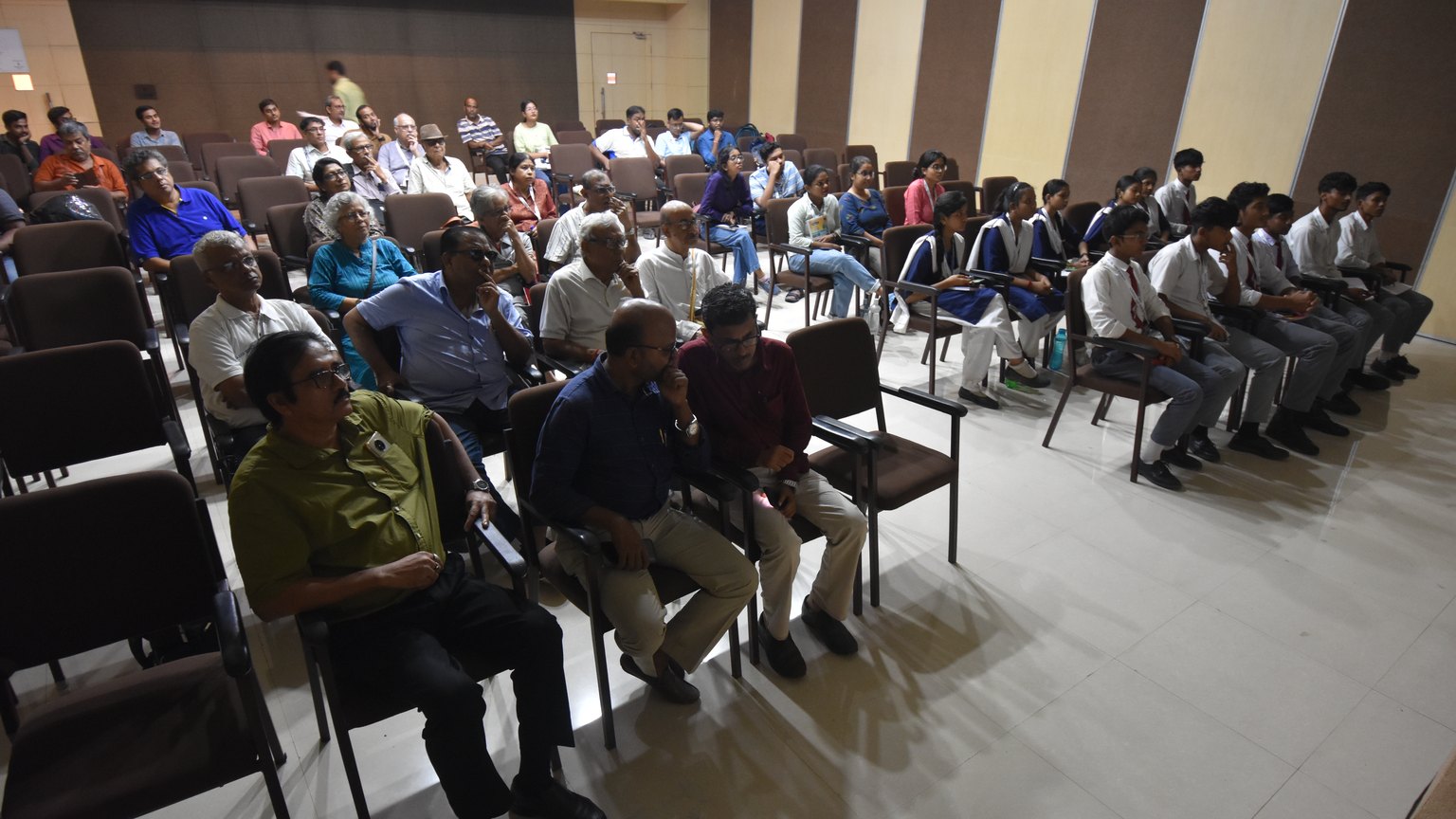
What Does a Faculty Role Involve?
A full-time faculty role in a professional college usually has four parts: teaching, assessment, research or scholarly activity, and institutional service.
Teaching is the visible part, but it is rarely the largest. Assessment design, project supervision, laboratory management and student mentoring consume a substantial share of a week. Institutional service covers committee work, accreditation documentation and admissions.
The parts vary by institution. Colleges with research expectations allocate time differently from those focused mainly on teaching, and it is worth asking about this before accepting a position.
How Does Faculty Development Work?
Teaching well over two decades requires more than a good degree. Indian technical institutions expect faculty to take part in faculty development programmes and short-term training programmes, often run through professional bodies.
At Dr. Subhash University (DSU), students and faculty are encouraged to take part in workshops, short-term training programmes, seminars and faculty development programmes through ISTE, the Indian Society for Technical Education, which describes its mission as career development for teachers alongside personality development for students.
This matters when evaluating a college: an institution that funds faculty development is investing in teaching quality.
Why Does Industry Exposure Matter for Teachers?
Technical education changes quickly, and faculty who have never worked outside a classroom can struggle to teach what employers need.
DSU’s approach includes deputing faculty to industry to gain first-hand experience of industrial plants and processes, and placing industry experts on academic bodies so the curriculum stays relevant to industry. Both are worth asking about at any college you consider joining.
What Does Mentoring Involve?
The part of academic life with the most effect, and the least visibility, is mentoring. It includes supervising projects, advising students on careers, and recognising when a student is struggling.
DSU’s student life office frames part of this work explicitly, aiming to develop students’ confidence, maturity, soft skills and interpersonal ability. In practice, much of that happens in conversations with faculty rather than in lectures.
What Should You Ask Before Joining a College?
Five questions worth asking before accepting an academic position:
- How much teaching load per week, and how much preparation time is expected?
- What are the research expectations, if any, and what support exists for funding or collaboration?
- Is faculty development funded? Are training programmes supported by the institution?
- What promotion criteria apply? Ask which scholarly output counts.
- What happens to a difficult student? A college with a counselling system gives faculty somewhere to refer a concern.
Frequently Asked Questions
What does a college faculty job involve?
A faculty role involves teaching, assessment and project supervision, research or scholarly activity, student mentoring and institutional service such as committee and accreditation work.
Does DSU support faculty development?
Yes. DSU encourages faculty to take part in workshops, short-term training programmes and faculty development programmes through professional bodies such as ISTE.
Do DSU faculty get industry exposure?
DSU deputes faculty to industry to gain first-hand experience of industrial plants and processes, and includes industry experts on its academic bodies.
What qualifications do college faculty need in Gujarat?
Faculty requirements depend on the programme and level, from undergraduate to postgraduate and Ph.D. Confirm the specific eligibility for any position with the institution.
How can I apply for a faculty role at Dr. Subhash University?
Check the Career section of the DSU website for current openings and application details.
Conclusion
Teaching is a job with a visible front and a long invisible back. If you are choosing a college, look at teaching load, research expectations, faculty development funding and mentoring systems, not just the salary and the timetable.
Call: 0285-2610055 | 85111-88222 Email: info@dsuni.ac.in Visit: Dr. Subhash University, Dr. Subhash Road, Junagadh – 362001, Gujarat Careers: https://dsuni.ac.in/