
Nursing offers one of the most dependable career paths in India, but the entry routes differ more than most students realise. Choosing the wrong qualification can limit registration or delay your first job. Here is how the main routes compare.
Which Nursing Qualifications Exist?
Gujarat nursing colleges generally offer four entry routes, and the right one depends on your current qualification:
- B.Sc. Nursing is a four-year degree for students after 10+2, and the standard route for degree-level nursing careers.
- GNM (General Nursing and Midwifery) is a diploma-level qualification focused on general nursing and midwifery practice.
- ANM (Auxiliary Nurse Midwife) is a shorter diploma aimed at community and primary health roles.
- Post Basic B.Sc. Nursing is for registered nurses who want to upgrade a diploma to a degree.
- M.Sc. Nursing is the postgraduate route for teaching, administration and specialist practice.
Dr. Subhash University (DSU), Junagadh offers B.Sc. Nursing, GNM, ANM, Post Basic B.Sc. Nursing and M.Sc. Nursing.
How Do the Routes Compare?
The practical differences come down to duration, registration and career ceiling.
A degree route generally opens more doors in teaching, administration and overseas registration, while diploma routes get you into practice faster and at lower cost. ANM is the shortest route and is oriented toward community health work, while GNM prepares you for general hospital nursing and midwifery.
If you already hold a diploma and are registered, Post Basic B.Sc. Nursing is the standard upgrade. It is worth asking the admissions office about the specific eligibility for each route, because requirements are set per programme.
What Clinical Training Should You Expect?
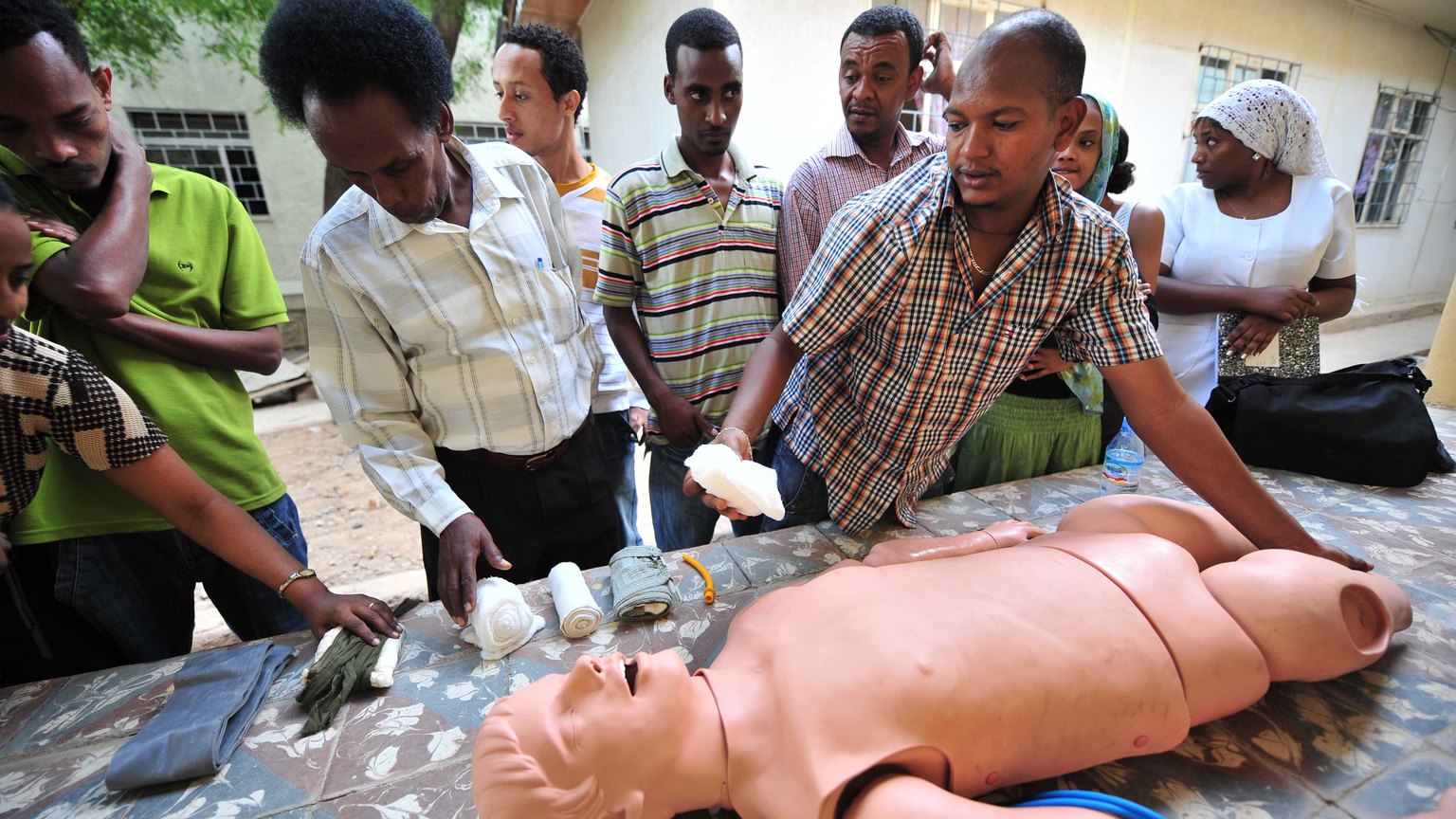
DSU describes its nursing programmes as featuring advanced laboratories and hands-on clinical training, designed to produce skilled nursing professionals.
The school also conducts workshops, seminars and conferences in collaboration with INC and GNC, the Indian Nursing Council and Gujarat Nursing Council. For a nursing student, that collaboration matters: it keeps teaching aligned with the standards you are examined on and later registered under.
When you visit a college, ask three questions: how many supervised clinical hours the programme includes, which hospitals or clinical sites are used, and whether the skills laboratory is used for practice before patient contact.
What Careers Follow Each Route?
Nursing graduates typically work in hospital staff roles, speciality departments, community and public health, nursing education and administration. Some pursue opportunities overseas, which depends on the licensing requirements of the destination country.
If working abroad is your goal, check the registration requirements early. They usually affect which qualification and how much experience you need, and it is easier to plan for them before you enrol than after.
What Else Should You Check Before Applying?
Beyond clinical training, confirm four things: that the programme is recognised, the council alignment of the college, the placement support available, and the actual cost of the full programme including clinical placements.
DSU states that nursing graduates are prepared for diverse healthcare careers with placement support and skill development.
Frequently Asked Questions
Which nursing courses are available at DSU?
Dr. Subhash University offers B.Sc. Nursing, GNM, ANM, Post Basic B.Sc. Nursing and M.Sc. Nursing.
What is the difference between B.Sc Nursing and GNM?
B.Sc. Nursing is a four-year degree for students after 10+2, while GNM is a diploma focused on general nursing and midwifery practice. The degree route generally opens more career options.
Does DSU provide clinical training for nursing students?
DSU describes hands-on clinical training as a core part of its nursing programmes, supported by advanced laboratories. Confirm hospital partners and clinical hours for your chosen course with the admissions office.
Is DSU affiliated with the nursing councils?
DSU’s nursing school conducts workshops, seminars and conferences in collaboration with INC and GNC, the Indian Nursing Council and Gujarat Nursing Council.
How do I apply for a nursing course at DSU?
Check the eligibility for your chosen programme, register through the official admissions portal, and submit your documents at the help centre as directed.
Conclusion
The right nursing route depends on where you are starting and where you want to end up. Compare duration, registration and career ceiling honestly, ask about clinical hours before you enrol, and confirm eligibility for the specific programme. Admissions for nursing programmes at DSU are open.
Call: 0285-2610055 | 85111-88222 Email: info@dsuni.ac.in Visit: Dr. Subhash University, Dr. Subhash Road, Junagadh – 362001, Gujarat Apply online: https://dsuni.ac.in/